
Un hallazgo revela más detalles sobre los gladiadores romanos
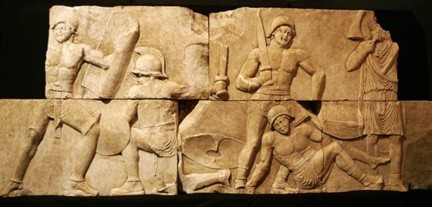
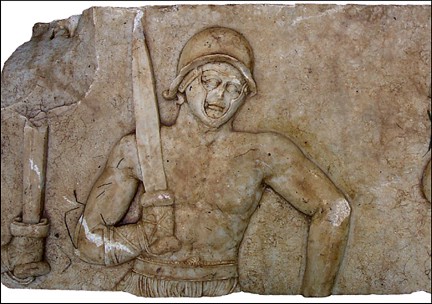
Ancient Roman marble reliefs depicting gladiators in combat are presented to the press in Rome, Wednesday, Jan. 24, 2007. Italian police have unearthed the hidden cache of a group of grave robbers, recovering 12 marble reliefs. The 12 panels, believed to date back to the 1st century B.C. were found buried in the garden of a private home near Fiano Romano, some 40 kilometers (25 miles) north of Rome. (AP Photo/Plinio Lepri)
Fue descubierto en un operativo policial. Representan un gran aporte a la cultura para conocer más sobre este período sangriento de la Historia. Las piezas datan de un siglo antes a nuestra era.
La policía italiana descubrió el alijo escondido de un grupo de profanadores de tumbas y recuperó antiguos relieves romanos de mármol que muestran a gladiadores en un combate mortal, se informó el miércoles.
Los 12 paneles estaban enterrados en el jardín de una residencia privada cerca de Fiano Romano, unos 40 kilómetros al norte de Roma, y las autoridades calificaron la recuperación como un hallazgo arqueológico mayor y un golpe al mercado ilegal de antigüedades.
Los relieves datan de finales del siglo I a.C. y se cree que decoraban una tumba, aún por localizar, en el cercano poblado romano de Lucus Feroniae, dijo Anna Maria Moretti, comisionada de antigüedades en el norte de Roma.
Las piezas, hechas de mármol de Carrara de alta calidad, son notables por su tamaño y antigüedad, y son uno de los mejores ejemplos del período que representó uno de los deportes sangrientos preferidos de Roma, dijo Moretti.
"La atención al detalle es increíble", indicó en una presentación en el museo Villa Giulia de la capital italiana.
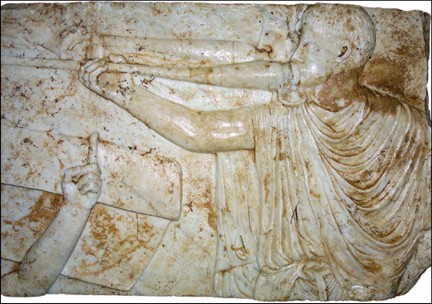
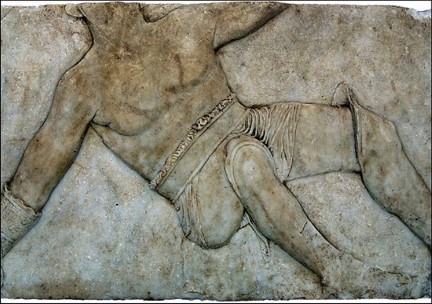
Los paneles muestran a luchadores sin camisa armados con espadas y escudos en duelos, rodeados de trompetistas.
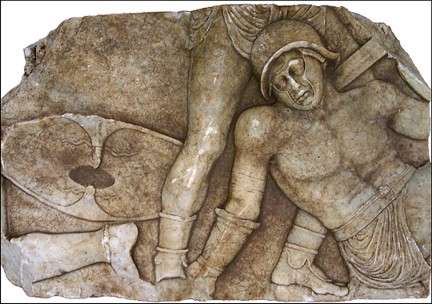
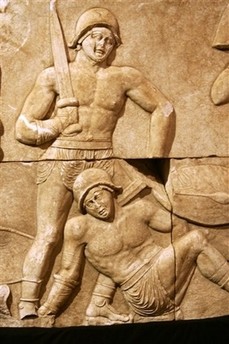
En una de las escenas más dramáticas, un gladiador está parado sobre el brazo de un oponente en el suelo, que levanta un dedo en un gesto de ruego por misericordia. Las piezas serán estudiadas y restauradas antes de que se exhiban al público en Villa Giulia.

El fiscal Paolo Ferri dijo que la policía llegó al alijo hace 10 días tras una investigación de tres años. No se ha arrestado a nadie en el caso.
Fuente: AP / Infobae.com, 24 de enero de 2007
Enlace: http://www.infobae.com/notas/
nota.php?IdxSeccion=1&Idx=298101

(2) Ancient Roman marble reliefs recovered
By ARIEL DAVID
ROME - Italian police have unearthed the hidden cache of a group of grave robbers, recovering ancient Roman marble reliefs depicting stunningly lifelike gladiators locked in mortal combat, officials said Wednesday.
The 12 panels were found buried in the garden of a private home near Fiano Romano, some 25 miles north of Rome, and officials hailed the find as a major archaeological discovery and a blow to the illegal antiquities market.
Archaeologists said the work offers a glimpse into early gladiator fights, before the rise of more extravagant forms of combat popularized in the modern era by Hollywood movies.
The reliefs date back to the late first century B.C. and are believed to have decorated a tomb, yet to be located, in the Roman settlement of Lucus Feroniae, said Anna Maria Moretti, the superintendent for antiquities in the area north of Rome.
The pieces, made of high-quality Carrara marble, are notable for their size and age, and are among the finest examples from their period depicting one of Romes favorite blood sports, Moretti said.
"The attention to detail is incredible," she said at a presentation of the finds at Romes Villa Giulia Museum.
The panels show bare-chested fighters, armed with swords and shields, engaged in duels while surrounded by trumpet and horn players who accompanied the phases of combat in the bloodied arena. In one of the most dramatic scenes, a gladiator steps on the wrist of a downed opponent who raises a finger in a traditional plea for mercy.
The reliefs will undergo restoration before being shown to the public at Villa Giulia, officials said.
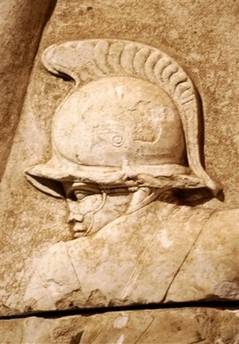
Archaeologists have unearthed many similar representations, but interest in the new discovery goes beyond its high-quality craftsmanship, Moretti said. The figures in the reliefs, equipped only with swords, shields and basic armor, offer a detailed image from the earlier days of gladiatorial combat. More common representations dating to later imperial periods show gladiators sporting elaborate protections and wielding a vast array of weaponry, including nets, tridents and daggers, she said.
Prosecutor Paolo Ferri said a three-year investigation led art squad police to the cache 10 days ago. An unspecified number of people have been accused of archaeological theft but remain free pending legal proceedings.
Italy is aggressively campaigning to recover antiquities it says were illegally dug up and smuggled out of the country. Government officials have been securing deals for the return of artifacts from top U.S. museums.
Ferri said the gladiator reliefs were dug up illegally years ago but remained completely or largely untouched in the looters cache, a sign that a "new awareness" has developed among collectors and museums.
"The (illegal) market is at a standstill. In the 90s such pieces would have been sold in a few months," he said. "But no one dared to buy these artifacts."
The finds would have been worth millions of dollars on the international market, he said.
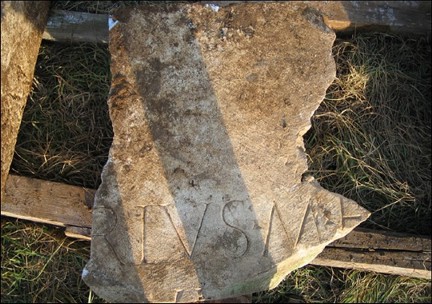
In a pile of rubble found near the buried reliefs, police recovered the lower part of a marble statue of man in a toga, a piece of a column and a partial inscription, all believed to have come from the same tomb. Archaeologists believe the reliefs were a frieze decorating the midsection of a rectangular tomb, surmounted by a colonnade that housed the statue, possibly a depiction of the man buried inside.
The identity of the tombs owner is likely to remain a mystery at least until the burial site is found, Moretti said. The reliefs may indicate he was an organizer of public games or may depict bouts that were held in his honor, but images of gladiators were such a common theme in Roman art that they cannot be considered conclusive proof, she said.
Source: Associated Press, Jan. 24, 2007
Link: http://news.yahoo.com/s/ap/20070124/ap_en_ot/roman
_gladiators_2;_ylt=Arm8DKgL4bPzXU0j7LxH61zlWMcF;
_ylu=X3oDMTA5bGVna3NhBHNlYwNzc3JlbA--
1 comentario
anonima -